If you've recently been diagnosed with Polycystic Ovary Syndrome (PCOS), you're not alone. PCOS affects millions of women and is one of the most common causes of irregular periods and infertility. Yet many women struggle for years before receiving a diagnosis or understanding what is happening in their bodies.
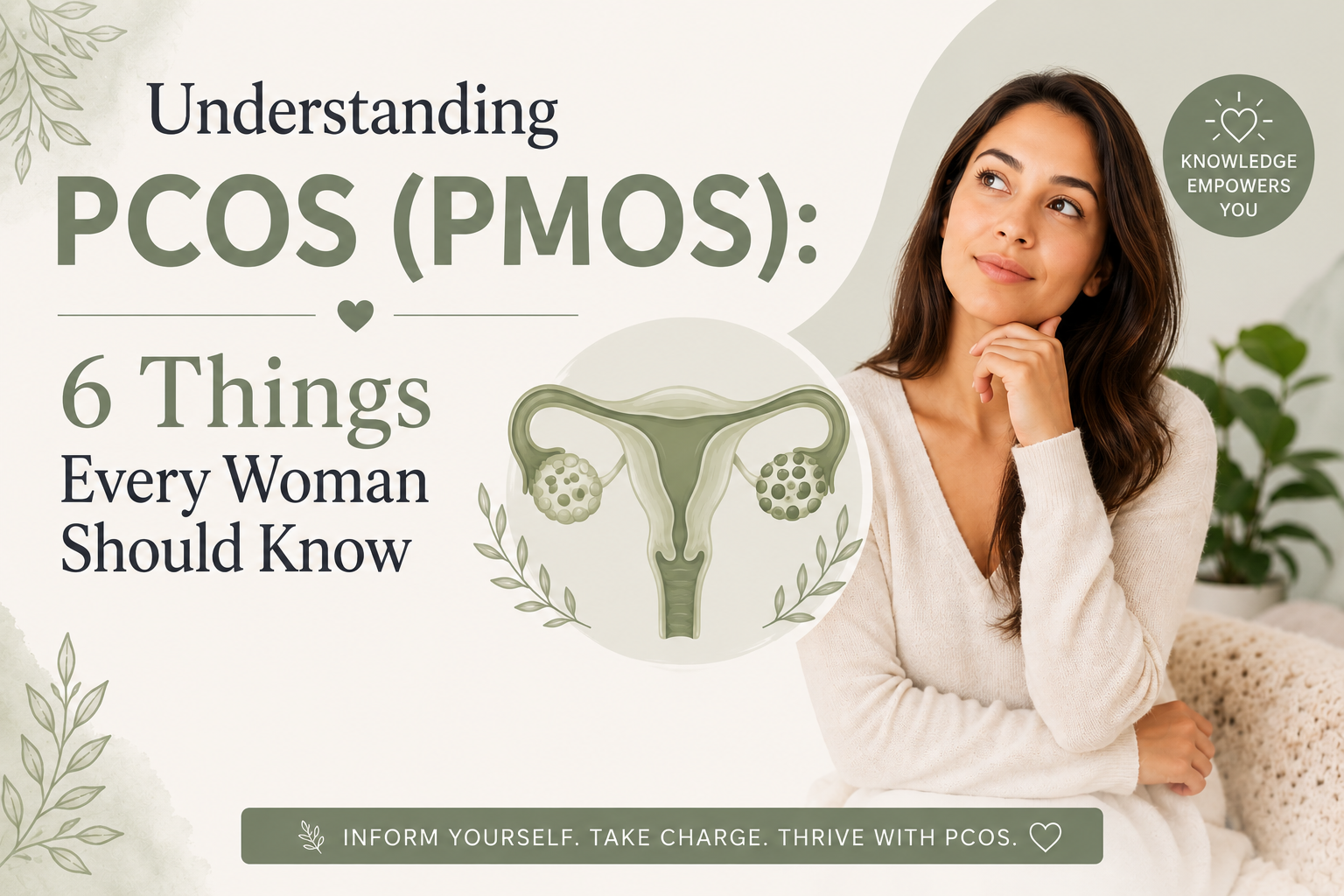
Interestingly, the term "PCOS" may not be the best name for this condition. Many women diagnosed with PCOS do not actually have ovarian cysts. Because the condition affects hormones, metabolism, fertility, weight, and overall health, some experts have proposed a new name: Polyendocrine Metabolic Ovarian Syndrome (PMOS).
While PCOS remains the official medical diagnosis, thinking of it as a hormonal and metabolic condition helps us better understand its true impact.
Here are six important things every woman should know about PCOS (PMOS).
1. PCOS Is About More Than Ovaries
Despite its name, PCOS is not simply an ovarian problem. It is a complex hormonal and metabolic condition that affects many systems throughout the body.
Women with PCOS often have hormone imbalances that interfere with normal ovulation. Many also have insulin resistance, which can contribute to weight gain and increase the risk of developing diabetes later in life.
This is why PCOS can affect not only fertility but also energy levels, skin, hair, weight, mood, and long-term health.
2. The Symptoms Can Look Different for Every Woman
No two women experience PCOS exactly the same way.
Some women notice irregular periods from a young age. Others may struggle with acne, unwanted facial hair, difficulty losing weight, or trouble getting pregnant. Some women have only a few symptoms, while others experience many.
Common signs of PCOS include:
- Irregular or skipped periods
- Difficulty becoming pregnant
- Weight gain or difficulty losing weight
- Acne, especially around the jawline and chin
- Excess facial or body hair
- Thinning hair on the scalp
- Darkened skin around the neck or underarms
- Fatigue
- Anxiety, depression, or mood changes
If these symptoms sound familiar, it may be worth discussing them with your healthcare provider.
3. PCOS Can Affect Your Long-Term Health
Many people think PCOS is only a fertility condition, but it can have effects that extend well beyond reproductive health.
Women with PCOS are more likely to develop:
- Insulin resistance
- Prediabetes and Type 2 diabetes
- High cholesterol
- High blood pressure
- Sleep apnea
- Fatty liver disease
- Anxiety and depression
The good news is that early diagnosis and treatment can significantly reduce many of these risks.
4. Getting Pregnant May Be More Difficult—But There Is Hope
One of the most frustrating aspects of PCOS is that it can make getting pregnant more challenging.
Because ovulation often occurs irregularly—or sometimes not at all—it may take longer to conceive naturally.
The encouraging news is that PCOS is one of the most treatable causes of infertility. Many women achieve successful pregnancies with the right treatment plan.
Depending on your situation, options may include:
- Lifestyle and nutrition changes
- Ovulation-inducing medications
- Intrauterine insemination (IUI)
- In vitro fertilization (IVF)
I regularly remind my patients that a diagnosis of PCOS does not mean they won't become parents. In fact, many women with PCOS go on to have healthy pregnancies and healthy babies.
5. Small Lifestyle Changes Can Have a Big Impact
Lifestyle changes may sound simple, but they can make a remarkable difference.
Regular exercise, healthy eating habits, quality sleep, and stress reduction can improve hormone balance and insulin sensitivity. For many women, even modest weight loss can help restore ovulation and improve fertility.
Rather than focusing on perfection, focus on making sustainable changes that you can maintain long term.
Small improvements often lead to significant health benefits over time.
6. Don't Ignore the Emotional Side of PCOS
PCOS affects more than just physical health.
Many women experience frustration, anxiety, sadness, or feelings of isolation. Struggling with infertility, weight changes, acne, or unwanted hair growth can take an emotional toll.
If you're feeling overwhelmed, know that you're not alone. Seeking support from family, friends, healthcare providers, counselors, or support groups can make a tremendous difference.
Taking care of your emotional well-being is just as important as treating the physical symptoms.
Moving Forward with Confidence
A diagnosis of PCOS (PMOS) can feel overwhelming at first, but it does not define your future.
With the right support, healthy lifestyle choices, and personalized medical care, most women can successfully manage their symptoms, improve their health, and achieve their fertility goals.
At Loma Linda Fertility & Wellness Center, we believe in treating the whole person—not just the diagnosis. Whether you're struggling with irregular periods, infertility, hormonal symptoms, or concerns about your long-term health, we're here to help guide you every step of the way.
You do not have to navigate this journey alone.