Fertility Testing & Diagnosis

When Should You Consider Testing?
We typically recommend that couples consider fertility testing if they have been trying to conceive for about a year without success.
Sometimes, all it takes is a conversation about the best timing for intercourse. We’ll begin with a simple physical exam and a chat about your health history to get a better sense of what might be going on.

You might also want to consider testing at any time if you:
Are not ovulating or have very irregular periods
Have been diagnosed with conditions like PCOS or endometriosis
Have known issues with your uterus or fallopian tubes
Are a man with a known problem with ejaculation or sperm production

What Are The Risks?
Most fertility tests, like blood work and semen analysis, have very little to no risk. For women, some tests that require a surgical procedure (like a hysteroscopy) do have some associated risks, which we will always discuss with you in detail beforehand. Your safety and comfort are our top priority.
female assessments
Tests for Women
Your testing plan will be tailored specifically to your health history. We’ll start with the least invasive options and go from there. Some common tests we use include:

Ovarian Reserve Tests
This is a simple blood test that gives us an idea of your remaining egg supply.

Hormone Tests
Studies have shown that acupuncture can reduce stress and improve blood flow. When used alongside fertility treatments, it may help improve uterine blood flow, which could increase your chances of success.
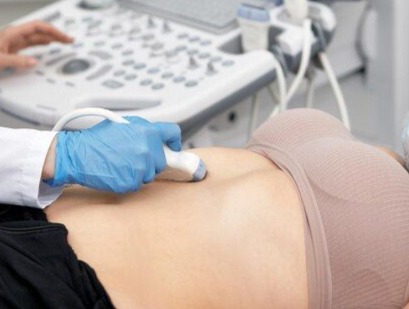
Uterus and Fallopian Tube Tests
We can use specialized imaging like ultrasounds or an HSG (Hysterosalpingogram) to check for any issues like fibroids, polyps, or blockages that might be affecting your uterus or tubes.
male assessments
Tests for Men
Infertility can be a factor for both partners, so we’ll want to start with some straightforward tests for the male partner. The most common cause of male infertility is related to sperm health, so we’ll often begin with:
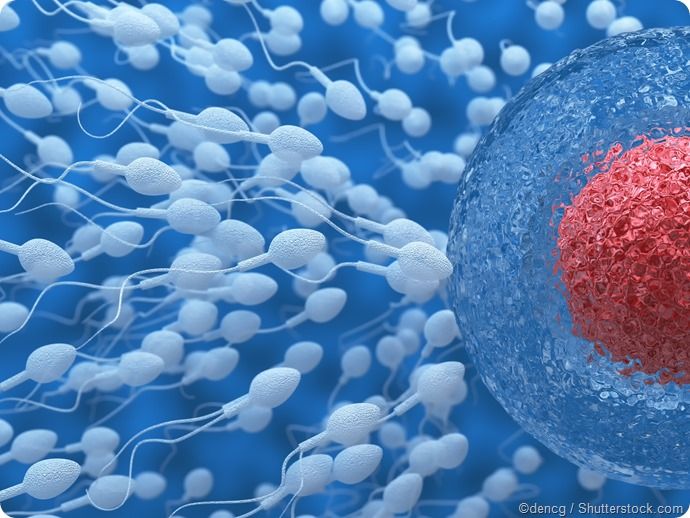
Semen Analysis
This is a comprehensive test that looks at the health, quantity, and movement of the sperm. It’s a key first step.

Hormone Level Analysis
We may also test hormone levels, such as testosterone and FSH, to understand the body’s ability to produce sperm.